
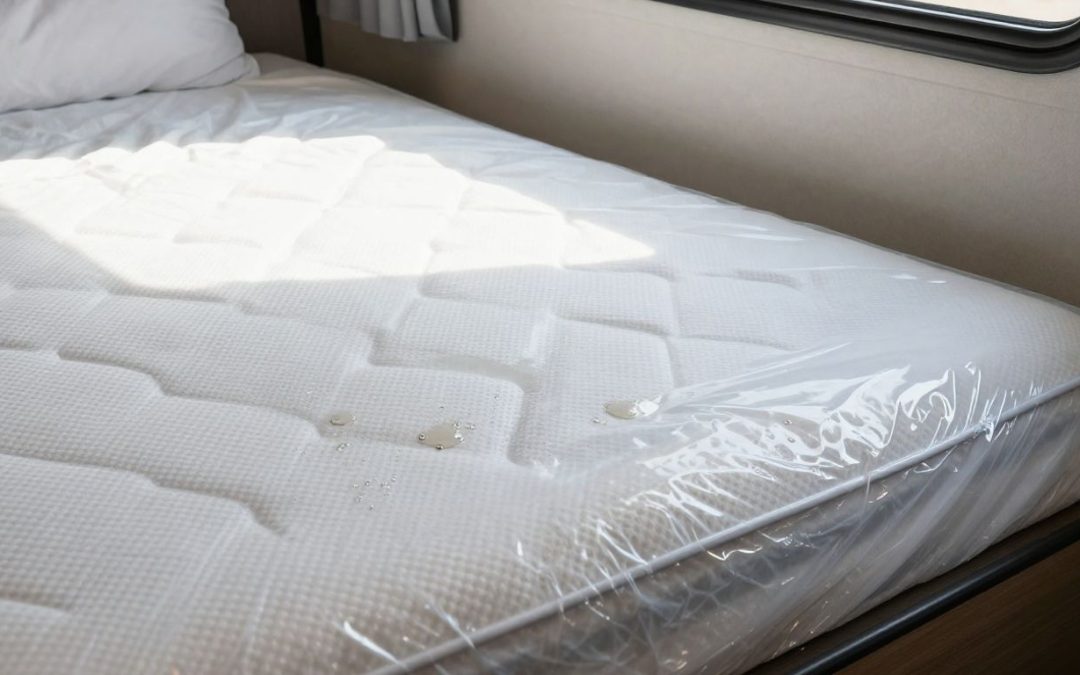
If you’re still on the fence about getting a waterproof mattress protector for your caravan, here are some main points to think about.
Key Takeaways
- Waterproof protectors keep your mattress safe from spills and dampness.
- Caravan mattresses are different sizes, so always measure before you buy a protector.
- Good breathability in a protector helps fight off moisture and mold.
- Routine cleaning and making sure the protector is dry before storage keeps things fresh.
- A good fit means your protector works better and doesn’t bunch up or slide around.
Protecting Your Caravan Mattress Investment
When you invest in a caravan mattress, you’re not just buying a place to sleep; you’re investing in comfort and rest for all your adventures. But let’s be real, caravan life comes with its own set of challenges, and your mattress is right in the thick of it. From accidental spills during meal prep to the ever-present threat of condensation, keeping your mattress in good shape is key to making it last.
The Importance of a Waterproof Mattress Protector
A good mattress protector is like a shield for your mattress. It’s a simple addition that makes a big difference in the long run. Think of it as the first line of defense against all the things that can shorten a mattress’s life. It’s not just about keeping things clean, though that’s a huge part of it. It’s about preventing deeper issues that can ruin your mattress and your sleep.
Extending Mattress Lifespan with Protective Layers
Caravan mattresses often have unique shapes and sizes, making them a bit trickier to replace than standard ones. That’s why taking care of the one you have is so important. A quality protector can add years to its life by preventing wear and tear from everyday use. It absorbs the brunt of spills and moisture, so your actual mattress stays drier and cleaner for longer. This means you won’t be looking for a replacement anytime soon, saving you money and hassle. It’s a smart move for anyone who loves their caravan and wants to keep it in top condition.
Safeguarding Against Spills and Moisture
Let’s face it, accidents happen. Whether it’s a spilled drink, a leaky water bottle, or just the general humidity that builds up in a confined space, moisture is a constant concern in a caravan. A waterproof protector acts as a barrier, stopping liquids from soaking into the mattress. This is especially important because once a mattress gets wet and stays that way, it can lead to mold and mildew, which are not only unpleasant but also bad for your health. Keeping your mattress dry is a big part of maintaining a healthy sleeping space. It’s a simple step that offers significant peace of mind, especially when you’re miles from home and relying on your caravan for comfort. For more on keeping your caravan comfortable, check out these custom canvas boat covers for general protection ideas.
Caravan mattresses are often made from foam or memory foam, designed to be lightweight and fit specific caravan layouts. Because of their unique nature and the challenging environment they’re used in, protecting them from spills, moisture, and general wear is vital for longevity and comfort. A waterproof mattress protector is a straightforward yet highly effective way to achieve this.
Understanding Caravan Mattress Challenges
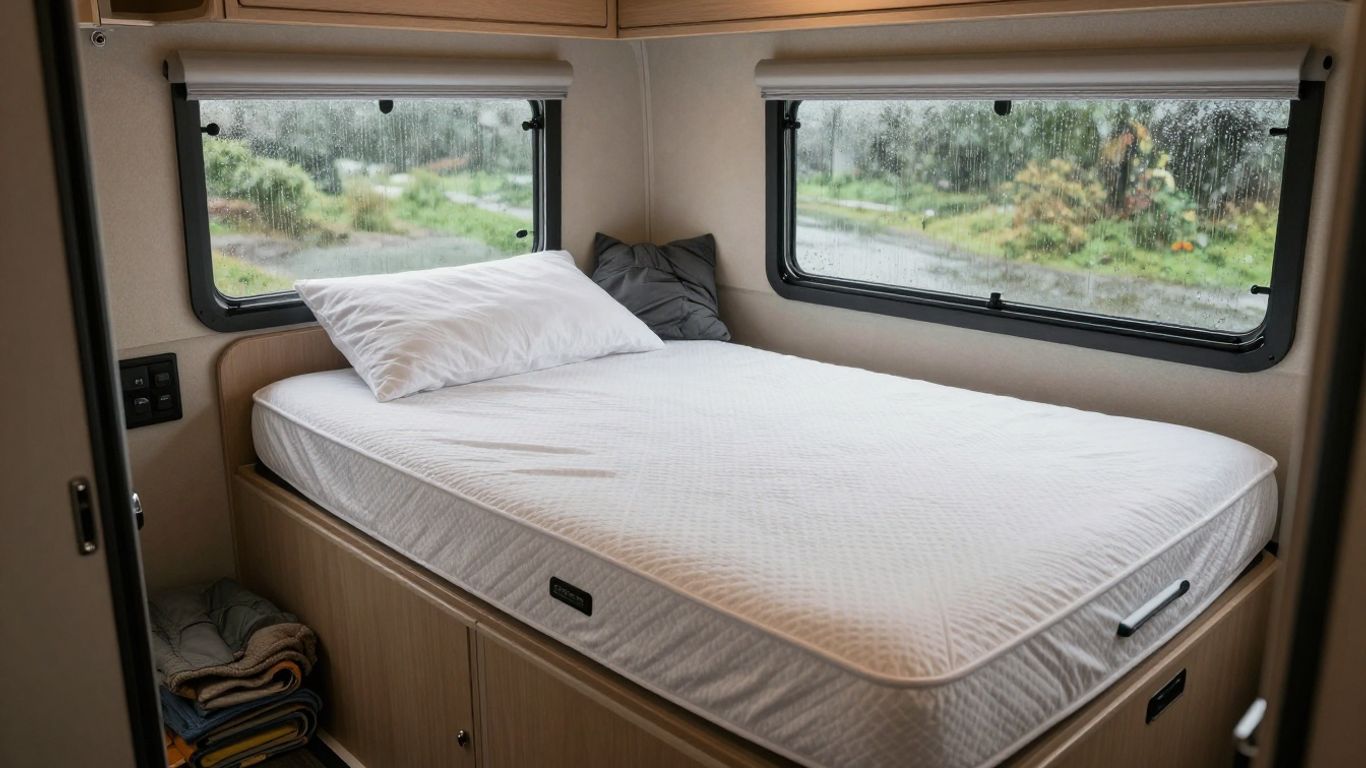
Caravan mattresses aren’t quite like the ones you have at home, and that’s putting it mildly. Manufacturers have to get pretty creative with space, which means standard sizes often go out the window. You might find yourself with a bed that’s a bit shorter or narrower than you’re used to, or maybe it has a weird cut-off corner to fit around a cabinet. This means finding a perfect fit can be a real headache.
Unique Dimensions and Shapes in Caravans
Forget your standard twin, full, queen, or king. Caravan beds are often custom-built to maximize every inch of space. This can lead to:
- Odd lengths: Sometimes they’re just a few inches shorter than a regular mattress.
- Unusual widths: You might have a bed that’s just shy of a standard double.
- Curved or angled corners: These are common to fit around built-in furniture or wheel arches.
This makes buying a replacement mattress tricky. You can’t just pop down to the local store and grab one off the shelf. Often, you’ll need to get something custom-made, which adds to the cost and complexity. It’s a bit like trying to find a perfectly fitting canvas tarp for an oddly shaped load – it takes specific measurements.
Weight Considerations for Mobile Homes
Weight is a big deal when you’re talking about caravans. Every single item adds up, and you don’t want to be overweight before you even leave your driveway. A really thick, plush mattress might feel amazing, but it could also be surprisingly heavy. Think about it: a standard double memory foam mattress can easily weigh 30-40kg. That’s a significant chunk of your caravan’s payload capacity gone right there. So, while comfort is key, you also have to balance that with how much weight you can safely carry.
Climate Control and Condensation Issues
Caravans are essentially small, enclosed spaces that can get quite humid, especially when you’re cooking, showering, or just breathing inside. This is where condensation becomes a real problem. Unlike a house with good airflow, a caravan can trap moisture. This can lead to:
- Dampness: Feeling clammy and uncomfortable.
- Mildew growth: Unpleasant smells and potential health issues.
- Damage to the mattress: Over time, moisture can break down mattress materials.
Managing moisture is a constant battle in a caravan. You’re dealing with temperature changes and limited ventilation, which creates the perfect environment for condensation to form. This is why having materials that can breathe and manage moisture is so important for your mattress.
This is why thinking about how your mattress handles moisture is just as important as how comfortable it is. You want something that can cope with the unique environment of mobile living, not something that will soak up every bit of dampness and become a breeding ground for mold. It’s a bit like trying to keep patio cushions dry in a damp climate – you need the right materials and strategies.
Benefits of a Waterproof Mattress Protector
So, you’ve got your caravan all set up, ready for adventure. But have you thought about what’s under your sheets? Your caravan mattress is a big deal – it’s where you recharge after a long day of exploring. A good waterproof protector isn’t just a nice-to-have; it’s a smart move for keeping that mattress in good shape.
Defense Against Accidental Spills
Let’s be real, accidents happen. Whether it’s a spilled coffee on an early morning, a leaky water bottle, or even just a bit of condensation that gets through, liquids can wreak havoc on a mattress. They can lead to stains, odors, and even mold if left unchecked. A waterproof protector acts like a personal bodyguard for your mattress, stopping spills in their tracks before they can soak in. This is especially important in a caravan where space is limited and deep cleaning can be a real chore. Think of it as a simple way to avoid those dreaded mattress stains that never seem to come out. It’s a bit like investing in durable custom covers for your braai – you’re protecting something important from the elements and everyday mishaps.
Mitigating Condensation and Humidity
Caravans can get a bit damp, right? Especially when you’re traveling through different climates or when the temperature changes overnight. This can lead to condensation forming on surfaces, including your mattress. Over time, this moisture can make your mattress feel damp, less comfortable, and can even encourage the growth of mildew. A breathable waterproof protector helps manage this. It allows some air to pass through, preventing that clammy feeling, while still blocking liquid water from reaching the mattress itself. It’s about creating a more stable sleeping environment, no matter the weather outside.
Maintaining a Hygienic Sleeping Environment
Beyond just spills and dampness, a mattress protector contributes to overall cleanliness. It creates a barrier against dust mites, allergens, and general grime that can accumulate over time. This is particularly beneficial if you have allergies or sensitivities. Regularly washing the protector is much easier than trying to deep clean an entire mattress. It’s a simple step that helps keep your sleeping space fresh and healthy, contributing to a better night’s rest. It’s a bit like how a secure waterproof mattress protector is essential for maintaining a clean and safe sleep environment for your baby, just scaled up for your own comfort.
Keeping your mattress protected isn’t just about preventing damage; it’s about ensuring a consistently comfortable and clean place to sleep. A good protector is an investment that pays off in comfort and mattress longevity.
Choosing the Right Waterproof Protector
So, you’ve decided a waterproof mattress protector is a good idea for your caravan. Smart move! But with so many options out there, how do you pick the one that’s actually going to do the job without causing other headaches? It’s not just about grabbing the first ‘waterproof’ label you see. You need to think about a few things to make sure you get the best protection for your mattress and a comfortable night’s sleep.
Material Breathability and Waterproofing
This is kind of the main event, right? You want it to stop spills and condensation from getting through, but you don’t want to wake up feeling like you’re sleeping in a sauna. Look for materials that are genuinely waterproof but also let air move. Some protectors use a special membrane, like polyurethane, that’s waterproof but still allows some air exchange. Others might be made from tightly woven fabrics that resist water. The trick is finding that balance between stopping liquid and letting your mattress breathe. Too much trapped moisture can lead to mold and mildew, which is definitely not what you want in a confined space like a caravan. Some brands even have specific technologies designed to wick away moisture from your body, which is a nice bonus.
Selecting the Correct Size and Fit
This might sound obvious, but getting the size wrong can be a real pain. A protector that’s too small will pull away from the edges, leaving your mattress exposed. Too big, and it’ll bunch up, making it uncomfortable and less effective. Caravans often have non-standard mattress sizes, so measuring your mattress before you buy is a good idea. Check the depth of your mattress too; some protectors have a deep skirt to fit thicker mattresses. A snug fit, like a fitted sheet, is usually best. You want it to stay put, even if you toss and turn. Think about how it attaches – elastic all around, corner straps, or a full zipper enclosure? A zipper can offer the most complete seal, almost like a custom-made cover for your mattress.
Ease of Cleaning and Maintenance
Let’s be real, you’re not going to use a mattress protector if it’s a nightmare to clean. Most good quality protectors are machine washable. Check the care instructions carefully. Can it be hot washed? That’s good for killing germs and dust mites. Can it go in the dryer on a low setting, or does it need to be line-dried? Some materials might require specific washing cycles or detergents. Regular cleaning is key to keeping your protector effective and your sleeping area hygienic. If it’s too much hassle, you’re less likely to do it, and then what’s the point? Look for something that fits easily into your regular laundry routine. A protector that’s easy to remove and put back on will save you a lot of time and effort over the years.
When choosing, think about how often you’ll need to wash it and what your washing facilities are like in your caravan or at home. Some materials might be more prone to wear and tear with frequent washing, so durability is also a factor to consider for long-term use.
Installation and Care for Longevity
Getting your waterproof mattress protector installed correctly and keeping up with its care is key to making sure it lasts and does its job well. It’s not complicated, but a little attention goes a long way in protecting your caravan mattress.
Properly Fitting Your Mattress Protector
First things first, you need to get that protector on right. It sounds simple, but a poorly fitted protector won’t work as well. You want it snug, like a fitted sheet, so it doesn’t shift around while you’re sleeping or during travel. This keeps it in place to guard against spills and moisture.
- Unpack and Inspect: Before you even think about putting it on, take it out of the packaging and give it a quick look-over. Make sure there are no tears or defects.
- Align Corners: Line up the corners of the protector with the corners of your mattress. Most protectors have elastic all around the edge, similar to a fitted sheet.
- Tuck It In: Gently pull the elastic edges down and under the mattress. Make sure it’s taut and smooth, with no bunching or loose fabric.
- Check for Movement: Once it’s on, give the mattress a little nudge. The protector shouldn’t slide around easily. If it does, you might need to adjust it or consider a protector with deeper pockets if your mattress is particularly thick.
Routine Cleaning for Optimal Performance
Just like your mattress needs a clean, so does its protector. Regular washing keeps it fresh and maintains its waterproof qualities. Always check the manufacturer’s label for specific washing instructions, as different materials have different needs. Washing your protector regularly is one of the easiest ways to keep your sleeping area hygienic.
Here’s a general guide:
- Frequency: Aim to wash it every 1-2 months, or more often if you’ve had any spills or if you notice any odors.
- Washing Machine Settings: Use a gentle cycle with cool or warm water. Avoid hot water, as it can damage the waterproof membrane.
- Detergent: Use a mild detergent. Avoid bleach and fabric softeners, as these can break down the waterproof barrier and reduce breathability.
- Drying: Tumble dry on a low heat setting or air dry. Never use high heat, as this can melt or warp the waterproof material. Ensure it’s completely dry before putting it back on the mattress.
Ensuring Dryness Before Storage
If you’re putting your caravan away for a while, it’s super important that everything inside is dry, especially the mattress and its protector. Moisture left sitting can lead to mold and mildew, which is a real pain to deal with later. So, before you lock up, give everything a good check.
Before storing your caravan, make sure both the mattress and its protector are completely dry. Even a little dampness can cause big problems down the line, especially in a confined space like a caravan where air circulation is limited. Consider using moisture absorbers inside the caravan to help manage any residual humidity.
When you’re getting ready to store your caravan, here’s what to do:
- Wash and Dry: Wash the mattress protector according to its care instructions and make absolutely sure it’s dry. Air drying is often best for this step.
- Air Out the Mattress: If possible, let the mattress itself air out for a day or two. If you can’t remove it, open up all vents and windows for as long as you can.
- Check for Dampness: Feel the mattress and the protector. If there’s any hint of dampness, keep airing them out. Don’t put a damp protector back on a damp mattress.
- Consider Desiccants: Placing moisture-absorbing packets or containers inside the caravan can help soak up any lingering humidity, giving you extra peace of mind. You can find these at most camping or hardware stores. For more on keeping your caravan dry, check out tips for moisture control.
Taking these steps means when you come back to your caravan, your mattress will be fresh and ready to go, without any musty smells or damp issues. It’s all about preventing problems before they start, which is way easier than fixing them later. Plus, a well-maintained protector means your mattress underneath stays in great shape, extending its life and saving you money in the long run. Remember to also ensure your mattress is placed on a supportive base, like a slatted frame, to allow for proper air circulation.
The Role of Breathability in Moisture Management
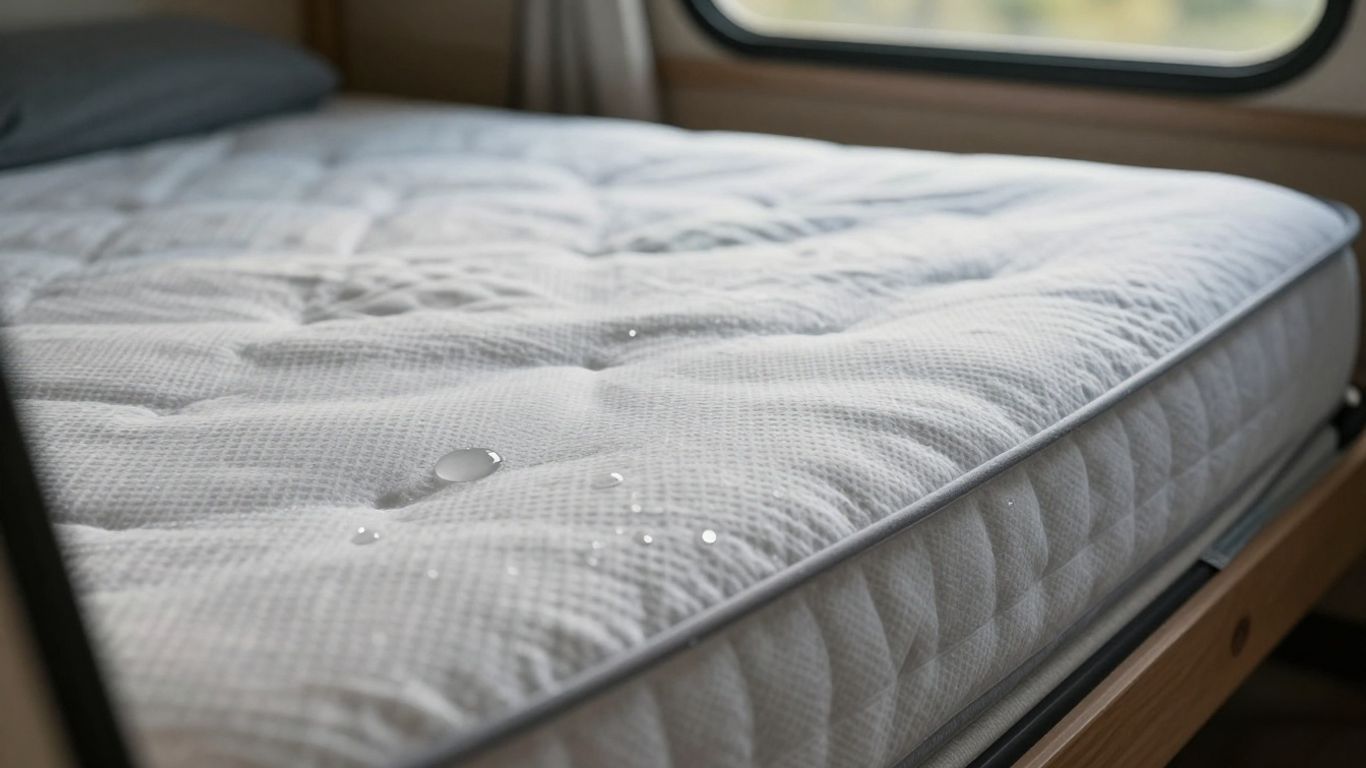
When you’re living in a caravan, managing moisture is a big deal. It’s not just about comfort; it’s about keeping your mattress in good shape and preventing yucky stuff like mold and mildew from setting up shop. That’s where breathability comes into play, and it’s super important for your mattress protector.
Preventing Moisture Buildup
Think about it: we all sweat a bit during the night, right? Plus, cooking and just breathing inside a confined space like a caravan can add a lot of humidity. If that moisture can’t escape, it gets trapped. This is especially true for mattresses made from materials like memory foam, which can soak up dampness. A mattress protector that doesn’t let air pass through can actually make this problem worse, creating a damp, cozy environment for mold. A breathable protector acts like a one-way valve, letting moisture vapor escape while keeping liquids out. This is key to avoiding that musty smell and keeping your sleeping surface fresh.
Airflow and Ventilation Strategies
Good airflow around your mattress is your best friend. If your caravan bed frame has a solid base, consider one with slats if possible. This allows air to circulate underneath, which makes a huge difference. Even simple things like opening windows when the weather’s nice, or even just folding back your bedding for an hour after you wake up, can help a lot. It gives the mattress surface a chance to air out. Some caravan mattress protectors are designed with special layers that help move air around, making them even better at this job.
How Protectors Aid in Drying
So, how exactly does a breathable protector help with drying? Well, when moisture does get onto the protector, a breathable material allows it to evaporate much faster than a non-breathable one. Imagine trying to dry a wet towel that’s been wrapped in plastic versus one that’s just hanging in the air. The latter dries way quicker, right? It’s the same principle. This quick evaporation is vital for preventing that damp feeling and stopping moisture from seeping down into the mattress itself. It’s all about letting the air do its job and keeping things dry and comfortable, especially if you’re dealing with outdoor patio cushions that might get damp.
Keeping your caravan mattress dry isn’t just about avoiding spills. It’s a constant battle against the humidity and moisture we all produce. A good, breathable mattress protector is a simple but effective tool in this fight, helping to keep your mattress fresh and your sleep environment healthy.
Conclusion
A waterproof mattress for your caravan isn’t just a nice extra—it’s something you’ll be glad you have after your first spill or damp morning. It keeps your mattress clean, helps it last longer, and makes your trips a lot more comfortable. Choosing the right protector and looking after it means you’ll spend less time worrying about messes and more time enjoying your adventures. So, before your next trip, make sure you’ve got your mattress covered—literally.
Frequently Asked Questions
Why do I need a waterproof mattress for my caravan?
Caravans can get damp inside, and spills happen often. A waterproof mattress keeps your bed dry and clean, so it lasts longer.
How do I know what size protector to buy?
Measure your mattress, including any corners or odd shapes, and look for a protector made for caravan beds. Regular bed sizes might not fit right.
Can I wash a waterproof mattress protector in the washing machine?
Most waterproof protectors can go in the washing machine. Just check the label for special instructions.
Will a waterproof protector make my bed feel hot or sweaty?
Some protectors can trap heat, but many are made with breathable materials. Look for one that says it’s breathable to stay comfy.
How do I put the protector on the mattress?
Lay it flat over your mattress, make sure it covers all the edges, and tuck it in or use the straps or zippers if it has them.
What should I do if my protector gets ripped or worn out?
Replace it as soon as you notice damage. A torn protector won’t keep water out and could let in dirt or bugs.